Hawks, falcons, eagles, and vultures are some of the most impressive birds in the sky. But identifying individual species, especially when they’re soaring hundreds of feet overhead, can be surprisingly difficult.
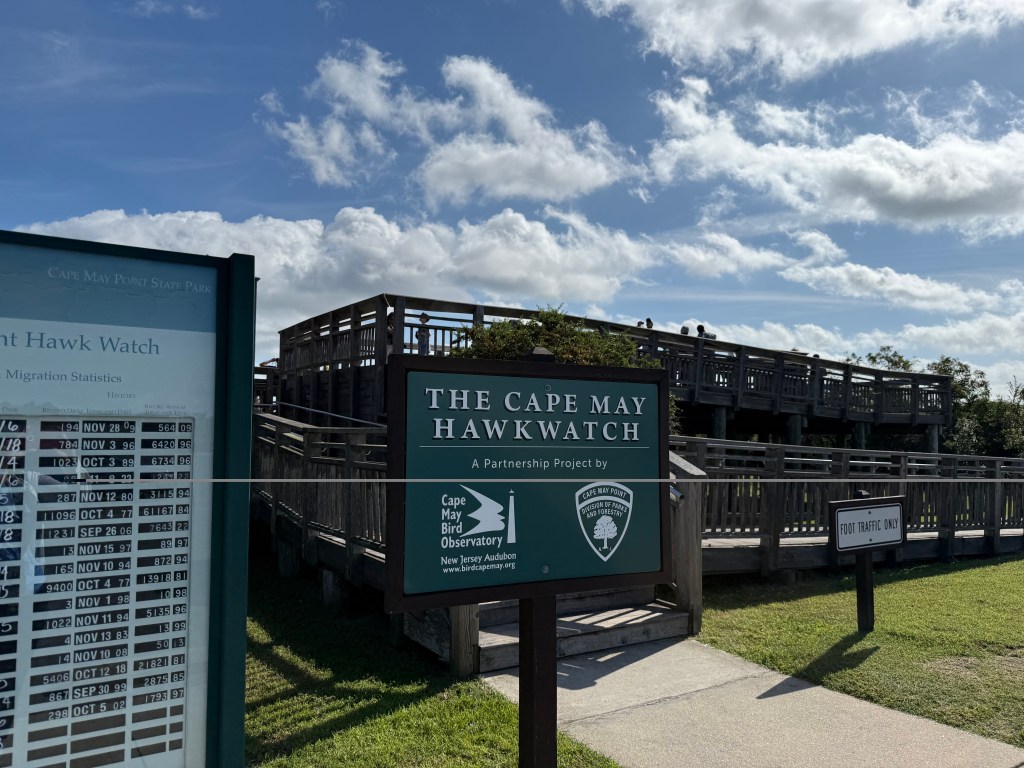
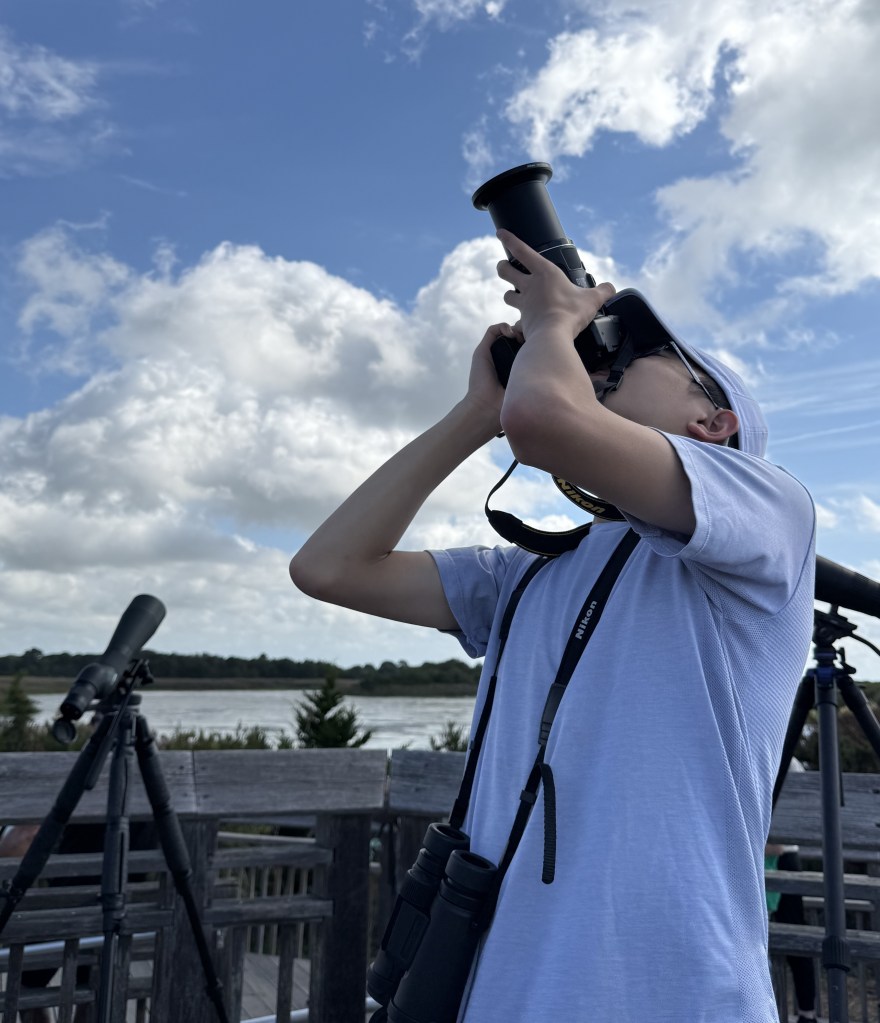
Recently, I went on a special birdwatch with New Jersey Audubon called “Youth Birders and Fall Migration: Merlins and Monarchs”.
Led by Adehl Schwaderer, our day was filled with numerous raptor sightings, including:
- Sharp-shinned Hawk
- Cooper’s Hawk
- Merlin
- American Kestrel
- Peregrine Falcon
- Black Vulture
- Turkey Vulture
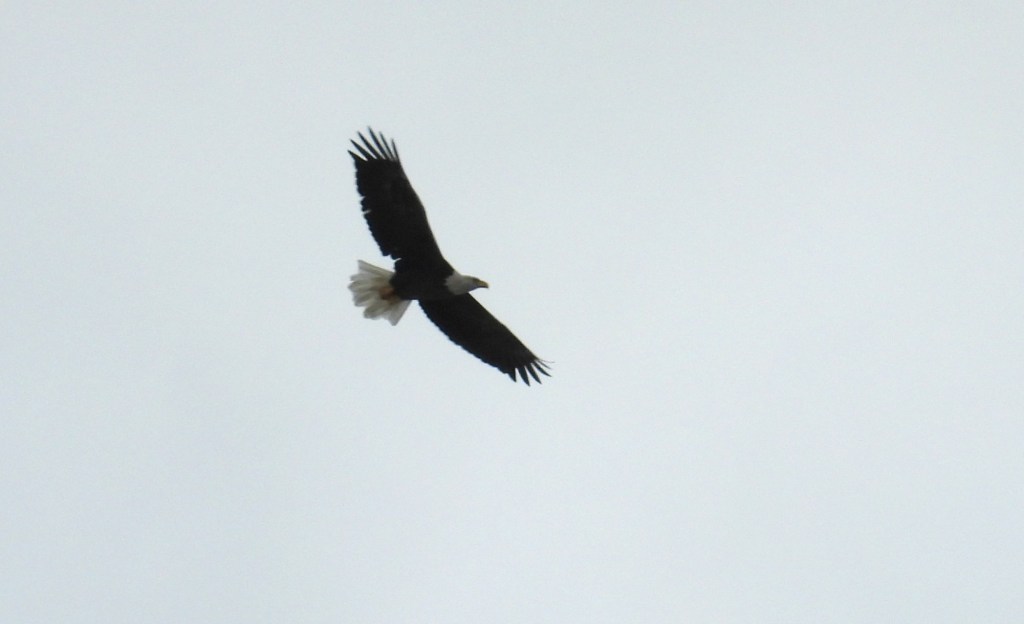
- Bald Eagle
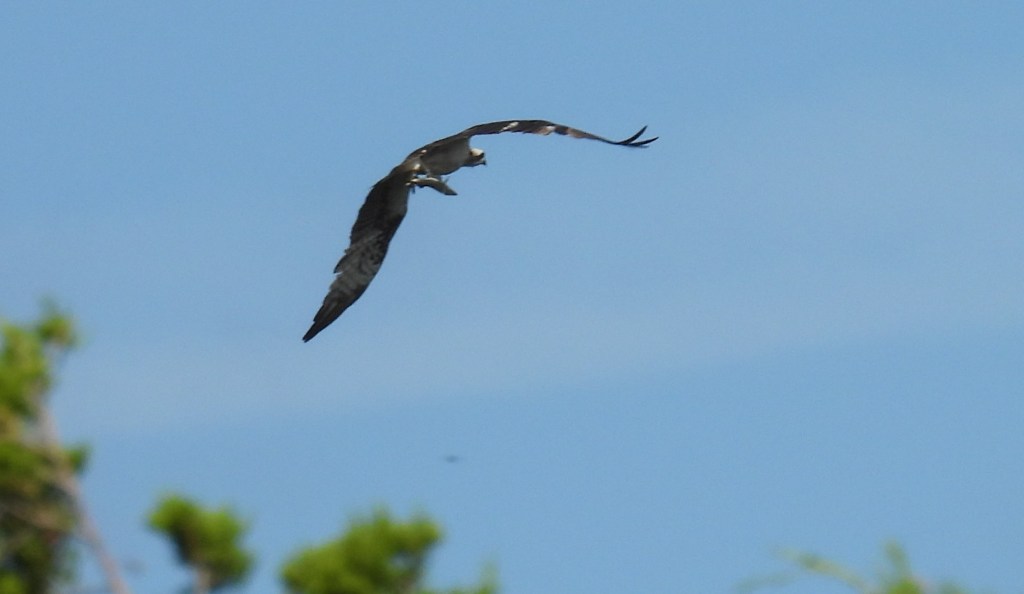
- Osprey
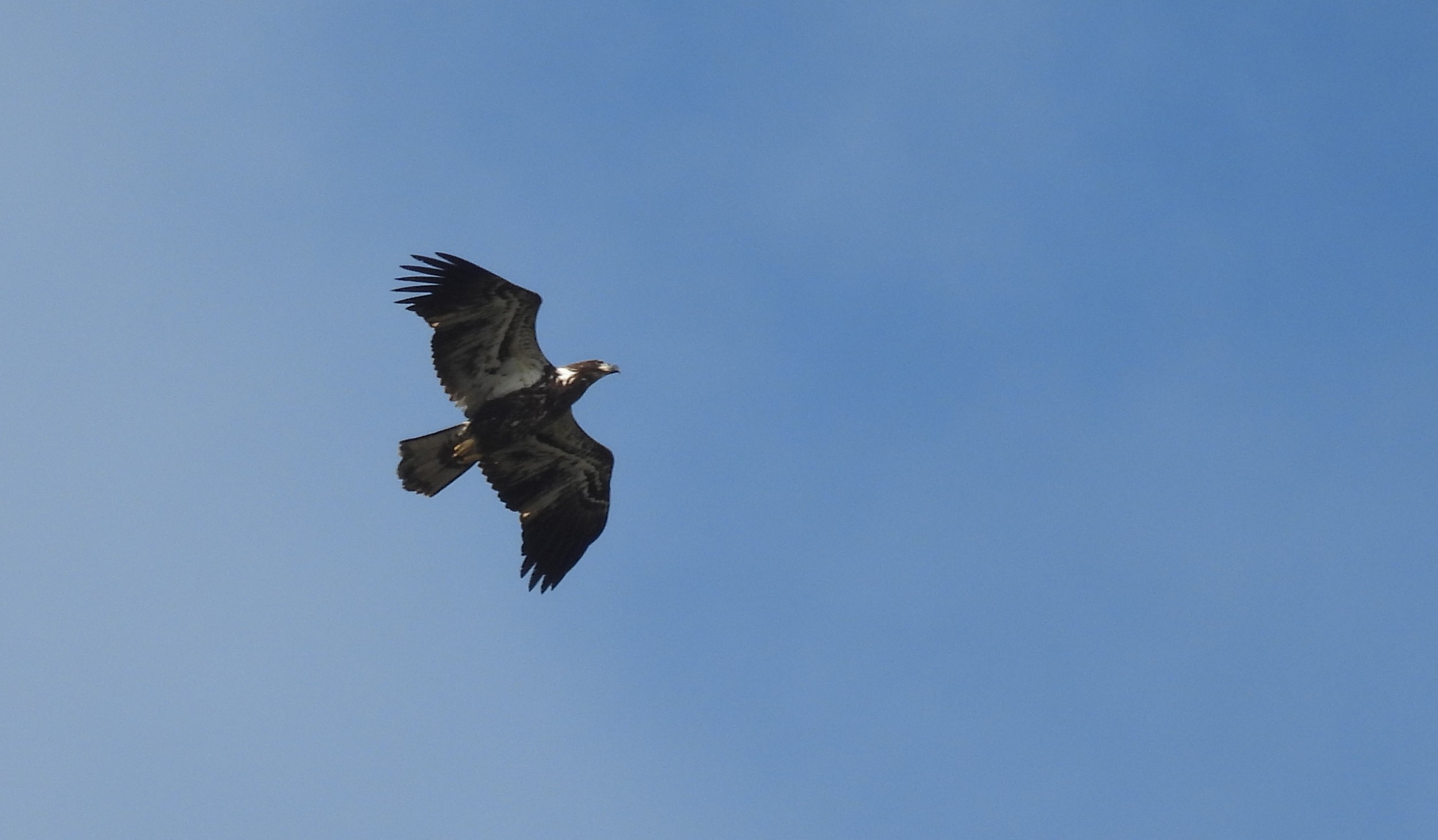
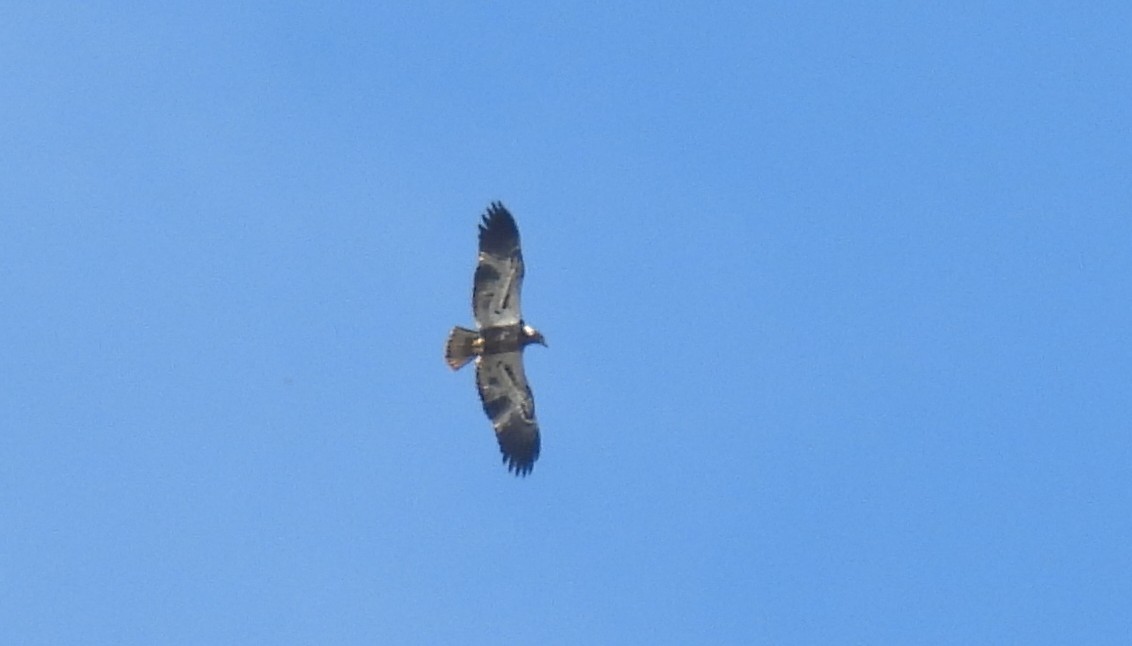
I loved seeing all the birds, although it was difficult at times to identify them since they were not only very far away and high in the sky, but they were also fast and hard to keep within the binoculars. While it was at times frustrating trying to discern the birds that were literally flying through the clouds, I learned many interesting things about each of them. One of the main comparisons I learned about was that between Sharp-shinned Hawks and Cooper’s Hawks (unfortunately I couldn’t capture good images of them on my camera, but found some good images online).
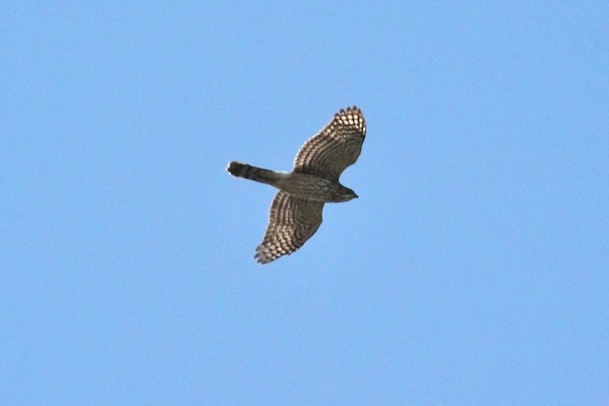
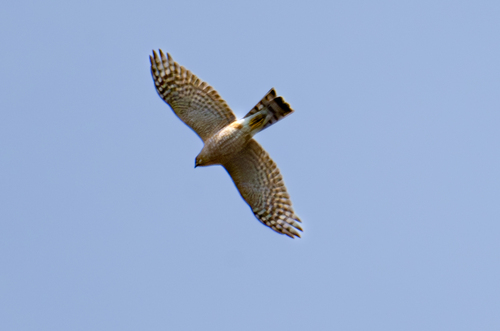
Despite the two birds having similar shades of orange on their chests, hunting habits, yellow talons, and stripes, there are key differences.
- In general, Sharp-shinned Hawks are smaller than Cooper’s Hawks, and in fact are the smallest hawk in the United States and Canada. Sharp-shinned Hawks are closer to the size of a Blue Jay, and Cooper’s Hawks are comparable in size to a crow. However, females are larger than males in both species, and sizes can overlap, which can make identification more confusing.
- While in flight, Cooper’s Hawks have rounded tails compared to Sharp-shinned’s more squared-off tail. This is related to the length of the outer feathers in the tails, with the Cooper’s Hawk having shorter outer feathers relative to their central tail feathers. However, tail feathers can appear differently depending on how widely the tail is spread, viewing angle, and feather wear.
- Sharp-shinned Hawks’ heads barely project beyond its wings while flying, appearing small in proportion to the body and resembling a ‘T’ in flight. On the other hand, a Cooper’s Hawk has a larger head in proportion to its body, and resembles a cross in flight.
- Cooper’s Hawks have slow and deliberate wing beats while the Sharp-shinned Hawk has quick and erratic wing beats. The Cooper’s Hawk has a slower wing beat due to its size requiring more effort per flap and its flight pattern of flapping and gliding, allowing it to conserve energy. However, it is generally faster than the Sharp-shinned Hawk, both while soaring and gliding, and can also exert quick bursts of speed like the Sharp-shinned Hawk.
During the birdwatch, I found the silhouette differences (a cross versus a “T”) to be the most helpful factor to distinguish the two bird species. The tail shape, on the other hand, was a bit hard to judge depending on the bird’s angle in flight. Adehl explained that even experienced birders like herself cannot always confidently identify these hawks as they fly across the sky. Throughout the morning, our group frequently debated which one we thought we were seeing. Even though I still have a long way before I can easily identify Cooper’s Hawks and Sharp-shinned Hawks or American Kestrels versus Merlins, I have a much clearer sense of what features to look for.
In addition to observing the raptors in the sky, we also observed the process of tagging a monarch butterfly. The naturalist first explained why monarch tagging was so important to be able to track their migration patterns and timing and to study population trends.


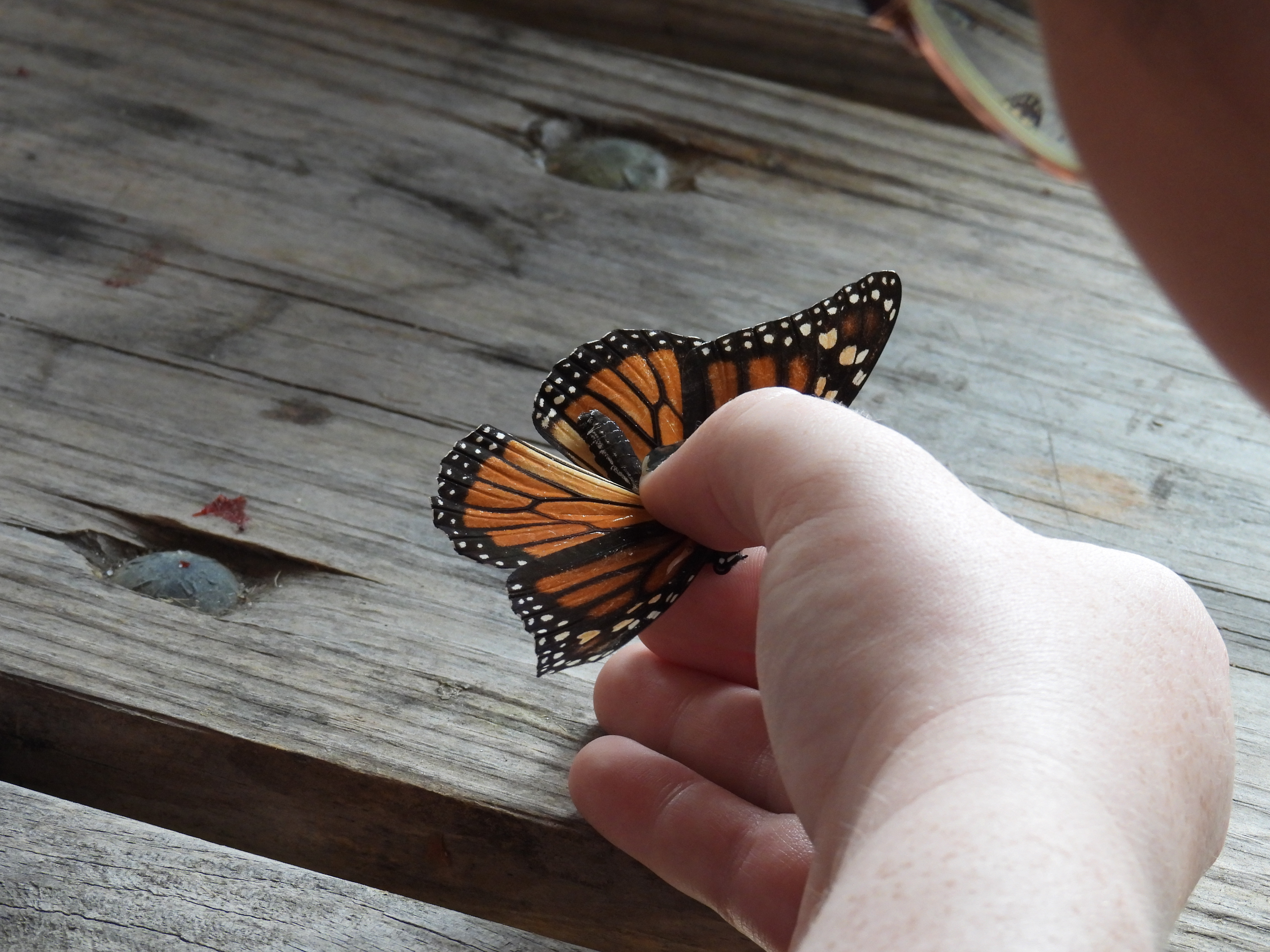
She then demonstrated careful removal of a scale, placement of the numbered tag, and then let us release the butterfly into the wild. The butterfly took its time to hang out around us before eventually fluttering away.
Thank you to the Adehl Schwaderer, Cape May Observatory and New Jersey Audubon for hosting such an amazing birdwalk!



Leave a Reply