While I was birdwatching one day, I saw a bird species that was new to me: Brown-headed Cowbirds. When I clicked on their E-Bird profile, they were listed as famous brood parasites. Brood parasites are species of animals who lay their eggs in the nests of other species. They have evolved to not spend energy raising young, instead giving their offspring to other hosts. This process sometimes involves the brood parasite destroying the eggs of the host and replacing them with their own. While this sounds reckless from the brood parasite, it has proven to be quite effective.
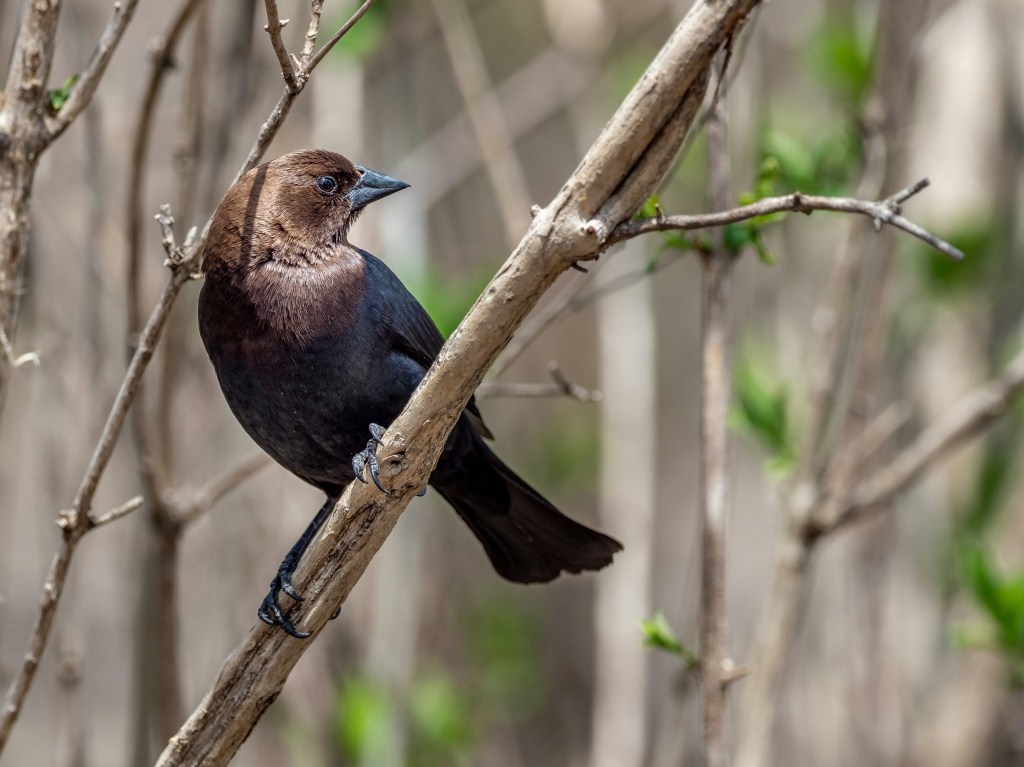
Sometimes the hatchlings will grow up alongside their invasive siblings and the relationship can become beneficial as the invasive hatchling wards off predators. However, most of the invasive siblings have evil intentions. The brood parasite usually hatches first and then starts the process of destroying or evicting the eggs of the host. The parasite usually outcompetes the other hatchlings for attention and food from the host, causing the actual chicks of the host to starve. Sometimes the parasite will accidentally smush the other hatchings simply due to their hatching first and being larger. This is common in Cowbirds, Cuckoos, and Honeyguides, with the Brown-headed Cowbird being the most famous brood parasite out of the few brood parasites in the United States. Female parasites have even been found to have larger memory complexes in their brain in order to help memorize the location of the nests with their eggs.
While many songbirds are fooled by the brood parasites and end up raising both their chicks and the brood parasites or just the brood parasite, some birds have evolved defenses against these invaders. Some birds, including the Gray Catbird, American Robin, and numerous Thrashers, are known for their excellence at recognizing foreign eggs and rejecting them. Their strategies include:
- Tossing out foreign eggs once they’ve recognized them
- Tossing out the parasite chicks (rare)
- Abandoning the nest
Most birds do end up raising the cowbirds as their own, exhausting themselves to feed the extremely hungry parasites, who often starve the other chicks. Brood parasites have evolved counter-counter defense mechanisms, such as appearing as friendly and harmless birds to gain access to the nest, or looking like raptors in order to scare away the hosts. Brown-headed Cowbirds have even been observed to have a sort of “mafia-like system” where they maintain a watch on the nest, checking to make sure that their eggs or chicks are still in the nest, and then sometimes retaliating by destroying the host’s eggs if they find out that their eggs are rejected. As the baby cowbirds grow up, the adults make sure the cowbird knows it is a cowbird by using a secret ‘password’ which would have been imprinted on the egg before it hatched.
This constant evolution of the relationship between brood parasites and their victims creates an everlasting arms race where they have to keep coming up with new strategies.


Leave a comment